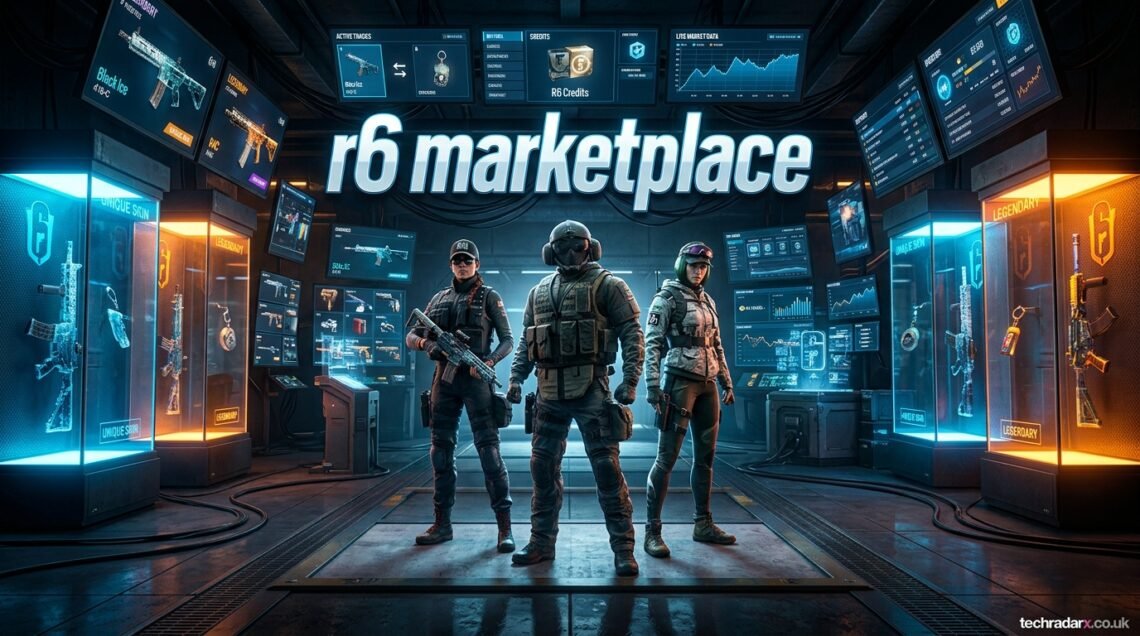
Rainbow Six Siege has remained one of the most competitive tactical shooters in the gaming industry for years. Ubisoft continuously updates the game with new operators, seasonal events, esports collaborations, cosmetic bundles, and gameplay improvements. As the game evolved, cosmetic items became a major part of the player experience. Rare weapon skins, limited-time uniforms, elite cosmetics, charms, and event collections started carrying significant value inside the community. This growing demand eventually led Ubisoft to launch the R6 Marketplace, an official trading platform designed specifically for Rainbow Six Siege players.
The R6 Marketplace quickly became one of the most discussed features in the Rainbow Six Siege ecosystem. Players who once had no legitimate method to exchange cosmetics suddenly gained the ability to buy and sell eligible items through Ubisoft’s official system. This changed the in-game economy completely. Older seasonal skins that disappeared years ago became accessible again, while players with large cosmetic inventories found new ways to earn R6 Credits by selling unused items. The marketplace introduced a player-driven economy where rarity, demand, nostalgia, and esports popularity directly influence item prices.
The popularity of the Rainbow Six Siege Marketplace also reflects how modern multiplayer gaming has changed. Cosmetics are no longer viewed as simple decorations. Many players see them as collectibles tied to memories, competitive history, or personal identity within the game. Rare skins such as Glacier, Black Ice, and discontinued esports cosmetics gained legendary status among collectors. The marketplace transformed these cosmetics into tradable digital assets that hold ongoing demand across the community.
Unlike third-party trading websites, the official R6 Marketplace operates directly through Ubisoft’s infrastructure. This significantly improves security and reduces the risks associated with scams, account theft, or fraudulent transactions. Ubisoft designed the marketplace to keep all trades within a controlled environment where transactions are monitored and protected. This approach helped establish trust among players and encouraged more widespread participation in cosmetic trading.
The marketplace has also created a new layer of engagement outside normal gameplay. Many players now monitor market prices, study demand patterns, and analyze cosmetic trends much like digital traders in other gaming economies. Certain skins increase in value after esports tournaments or seasonal events, while others lose demand when similar cosmetics are released. These changing trends make the R6 Marketplace feel dynamic and constantly active.
What Is the R6 Marketplace and Why It Matters
The R6 Marketplace is Ubisoft’s official cosmetic trading platform for Rainbow Six Siege. It allows players to buy and sell approved cosmetic items using R6 Credits instead of direct real-world currency. This system gives players more control over their inventory and creates a structured economy inside the game’s ecosystem. Eligible items include weapon skins, uniforms, headgear, charms, attachment skins, and selected event cosmetics.
Before the marketplace existed, Rainbow Six Siege players had almost no secure options for trading cosmetics. If someone missed a rare item from an older season or event, the cosmetic often became permanently unavailable. Over time, this created frustration among newer players who wanted access to discontinued cosmetics. Ubisoft recognized this growing demand and introduced the marketplace as a long-term solution that would benefit both collectors and casual players.
The marketplace matters because it changes the concept of ownership in Rainbow Six Siege. Instead of cosmetics remaining permanently locked in an inactive inventory, players now have the opportunity to exchange unwanted items for R6 Credits. Those credits can then be reinvested into new cosmetics, battle passes, or rare collectibles. This flexibility has added significant value to cosmetic inventories and increased player engagement across the community.
Another important reason the marketplace matters is community retention. Longtime players who accumulated years of cosmetics now have incentives to remain active in the ecosystem. Meanwhile, newer players gain opportunities to access older items that previously seemed impossible to obtain. This connection between veteran collectors and newer players helps maintain a healthy and active in-game economy.
How the Rainbow Six Siege Marketplace Works
The R6 Marketplace operates using a digital buy-and-sell system that automatically matches players based on pricing. Sellers list items at their chosen asking price, while buyers submit offers indicating the maximum amount of R6 Credits they are willing to spend. When a buyer’s offer matches a seller’s listing, the transaction is completed automatically through Ubisoft’s servers.
This system removes the need for direct player negotiations, which helps reduce scams and fraudulent behavior. Since Ubisoft controls every transaction internally, players do not exchange account information or interact through risky external platforms. The marketplace interface also stores transaction history, active listings, and completed purchases, making it easier for users to monitor their trading activity.
Pricing in the marketplace depends heavily on supply and demand. Rare items with limited circulation often become expensive because many collectors compete to acquire them. Meanwhile, common cosmetics usually remain inexpensive due to widespread availability. Seasonal popularity also affects pricing. Certain skins rise dramatically in value after operator reworks, esports tournaments, or nostalgia-driven community trends.
Ubisoft also applies transaction fees to successful sales. This fee removes a percentage of the final transaction value before credits are transferred to the seller. The system is designed to help stabilize the economy and discourage excessive manipulation. While some players dislike the marketplace fee, Ubisoft considers it necessary for maintaining long-term economic balance within the platform.
The marketplace also includes restrictions and cooldown systems that affect trading behavior. Some cosmetics cannot be sold immediately after release, and certain newly acquired items may require waiting periods before becoming tradable. These limitations help prevent rapid exploitation and reduce the risk of marketplace abuse.
Eligibility Requirements for Marketplace Access
Ubisoft introduced strict eligibility requirements to protect the R6 Marketplace from abuse, fraud, and account farming. One of the most important requirements is enabling two-factor authentication on a Ubisoft account. This extra security step helps prevent unauthorized access and reduces the chances of compromised accounts entering the marketplace ecosystem.
Players are also required to reach a minimum clearance level in Rainbow Six Siege before gaining access to trading features. Ubisoft implemented this rule to discourage the creation of temporary accounts designed solely for manipulating prices or transferring items. By requiring actual gameplay progression, the company encourages more legitimate marketplace participation.
Account standing also plays a major role in marketplace eligibility. Players with active sanctions, cheating penalties, or disciplinary actions may lose access to marketplace features temporarily or permanently. Ubisoft closely monitors suspicious activity and uses automated systems to detect unusual trading behavior. This monitoring is essential because cosmetic economies can become vulnerable to exploitation if left unregulated.
During the beta phase of the marketplace, many players experienced waiting periods before receiving access invitations. Ubisoft gradually expanded availability to test system stability and economic balance. Community discussions showed that some users became frustrated while waiting for approval, even after meeting the required conditions. Eventually, the marketplace expanded globally and became more widely accessible.
The eligibility system reflects Ubisoft’s attempt to balance accessibility with security. Since digital cosmetics now carry significant perceived value, protecting the marketplace has become a critical priority for maintaining trust within the Rainbow Six Siege community.
Rare Skins and Valuable Cosmetic Collections
Rare skins are one of the biggest reasons players use the R6 Marketplace. Some Rainbow Six Siege cosmetics became legendary over the years because of their limited availability, unique appearance, or historical significance. These items often generate massive demand among collectors and competitive players alike.
One of the most famous cosmetic collections in Rainbow Six Siege history is the Glacier skin set. Originally released during the early years of the game, Glacier skins later became extremely rare after disappearing from availability. Their icy appearance and exclusivity turned them into status symbols inside the community. Players who own Glacier skins are often viewed as longtime veterans of the game.
Black Ice skins also remain among the most recognizable cosmetics in Rainbow Six Siege. While Black Ice is technically obtainable through Alpha Packs, certain weapon variants remain difficult to acquire. Their sleek design and strong community reputation keep demand consistently high within the marketplace economy.
Esports cosmetics also carry substantial value. Ubisoft frequently collaborates with professional organizations to release limited-time team skins and bundles. Once these collections leave the store, they often become highly desirable among collectors and fans of competitive Rainbow Six Siege. Certain discontinued esports bundles have seen dramatic price increases due to limited supply.
Event cosmetics tied to Halloween events, seasonal celebrations, or limited-time game modes also attract strong marketplace interest. Players who missed these events often seek rare cosmetics years later, creating ongoing demand. Nostalgia plays a huge role in pricing, especially for older players who associate specific cosmetics with memorable periods in Rainbow Six Siege history.
The Rise of Cosmetic Economies in Online Gaming
The success of the R6 Marketplace reflects a broader trend across the gaming industry. Cosmetic economies have become increasingly important in multiplayer games because players enjoy customization and digital collection systems. Games like Counter-Strike, Valorant, Fortnite, and Apex Legends all demonstrate how cosmetics can influence player engagement and community identity.
Rainbow Six Siege originally focused heavily on tactical gameplay rather than cosmetic trading. However, as the game evolved, cosmetics became central to personalization and player expression. Operators, weapon skins, and charms allowed players to stand out during matches while showcasing achievements, event participation, or personal style.
The marketplace introduced a secondary layer of gameplay built around trading and collecting. Some players now spend significant time analyzing cosmetic values, tracking price changes, and predicting future demand trends. This behavior resembles real-world market speculation, where rarity and popularity determine perceived value.
Digital cosmetic economies also benefit game developers financially. By creating long-term demand for cosmetics, companies encourage continued engagement with premium content systems. Ubisoft’s marketplace keeps players invested in the ecosystem while also increasing the relevance of older cosmetics that might otherwise be forgotten.
At the same time, cosmetic economies create debates around fairness and accessibility. Some players argue that extremely expensive cosmetics create unnecessary exclusivity, while others enjoy the prestige associated with rare items. Ubisoft attempts to balance these concerns by controlling marketplace rules and limiting the tradability of certain content.
Market Trends and Price Fluctuations
The R6 Marketplace behaves like a constantly changing digital economy where prices shift based on player behavior, rarity, and community trends. Cosmetic values can rise or fall quickly depending on seasonal updates, esports events, or changes in operator popularity.
For example, skins associated with frequently used operators often maintain stronger demand because players see them regularly during gameplay. If Ubisoft buffs or reworks a specific operator, cosmetics tied to that operator may suddenly increase in value. Likewise, esports tournaments can drive interest in particular weapon skins or team bundles after professional players showcase them on stream.
Limited availability remains one of the strongest factors influencing prices. Cosmetics that appeared only once during a past season typically become more valuable over time, especially if many original owners choose not to sell them. This limited circulation creates scarcity, which increases competition among buyers.
Community hype also affects pricing dramatically. Social media discussions, YouTube showcases, Twitch streams, and Reddit threads often influence player interest in certain cosmetics. A skin that receives attention from major creators may experience temporary price spikes as demand suddenly increases.
Market psychology plays a major role in trading behavior. Some players purchase cosmetics purely for personal enjoyment, while others attempt to profit from future value increases. This combination of collectors and speculative traders creates a dynamic environment where prices rarely remain static for long periods.
Security Challenges and Marketplace Risks
Running a large digital marketplace inside a competitive online game creates serious security challenges. Ubisoft must constantly monitor for fraud, hacking attempts, account theft, and exploit abuse. Since marketplace items hold real perceived value among players, malicious actors frequently target the system.
One major concern involves compromised accounts. If a player loses control of their Ubisoft account, valuable cosmetics and R6 Credits could potentially be sold or transferred illegally. This is why Ubisoft strongly emphasizes two-factor authentication and account security practices for all marketplace users.
The Rainbow Six Siege ecosystem has also experienced technical security incidents in recent years. Reports of server disruptions and unauthorized credit distribution raised concerns about marketplace stability. Ubisoft responded aggressively by temporarily shutting down systems, reversing suspicious activity, and strengthening backend protections.
Scams remain a concern outside the official marketplace as well. Some third-party websites claim to offer cheaper cosmetics or unofficial trading systems. However, these platforms often carry significant risks, including phishing attempts and account theft. Ubisoft repeatedly warns players against using unofficial trading services because they bypass official security protections.
Economic manipulation is another challenge. Large-scale traders sometimes attempt to control the supply of certain cosmetics in order to influence prices artificially. Ubisoft monitors unusual activity patterns to prevent extreme market abuse. Maintaining a healthy economy requires constant adjustments and active oversight from the development team.
Community Reactions to the Marketplace
The Rainbow Six Siege community has responded strongly to the R6 Marketplace, with most reactions leaning positive overall. Many players appreciate finally having a legitimate method for obtaining rare cosmetics that were previously inaccessible. Veteran collectors enjoy showcasing valuable skins, while newer players value the opportunity to build more unique inventories.
Collectors have become especially active within the marketplace ecosystem. Some players spend hours monitoring listings, searching for rare items, and tracking price histories. For these users, the marketplace adds a completely new dimension to Rainbow Six Siege that extends beyond normal gameplay.
Casual players also benefit because they can sell unwanted cosmetics to earn R6 Credits for future content purchases. Instead of leaving unused skins hidden in inventories, players can convert them into practical value. This flexibility makes the cosmetic system feel more rewarding and interactive.
Despite the positive reception, criticism still exists. Some users believe transaction fees are too high, while others dislike restrictions placed on newly released cosmetics. Certain players also argue that Ubisoft should improve marketplace transparency by providing better pricing data and historical charts.
Community discussions on Reddit and gaming forums often focus on marketplace strategies, rare skin valuations, and predictions about future price trends. This constant conversation keeps the trading ecosystem highly active and reinforces the marketplace’s growing importance within Rainbow Six Siege culture.
Read more: r6 marketplace
The Future of the R6 Marketplace
The future of the R6 Marketplace appears closely tied to the long-term evolution of Rainbow Six Siege itself. Ubisoft continues supporting the game with seasonal updates, operator releases, esports partnerships, and cosmetic expansions. As long as the player base remains active, the marketplace will likely continue growing alongside it.
Many players expect Ubisoft to expand tradable categories over time. Future updates may include additional cosmetic types, improved search filters, or enhanced market analytics tools. Features such as price history tracking and rarity indicators are frequently requested by the community.
Esports partnerships will probably continue influencing the marketplace heavily. Competitive Rainbow Six Siege remains an important part of Ubisoft’s strategy, and limited-time esports cosmetics consistently generate strong demand. As professional leagues evolve, associated cosmetics may become even more valuable inside the trading ecosystem.
Technological improvements may also enhance marketplace security and usability. Ubisoft will likely continue investing in fraud prevention systems, transaction monitoring, and account protection measures. Maintaining player trust is essential because digital economies depend heavily on security and reliability.
The marketplace also represents a broader shift in how online games treat digital ownership. Instead of cosmetics existing as static purchases, they now function as tradable assets within player-driven ecosystems. This approach increases long-term engagement while giving cosmetic collections lasting relevance.
Conclusion
The R6 Marketplace has become one of the most important additions to Rainbow Six Siege in recent years. What started as a cosmetic trading feature evolved into a fully active digital economy driven by rarity, nostalgia, demand, and player engagement. Ubisoft successfully created a system that allows players to exchange valuable cosmetics securely while keeping all activity within an official environment.
The marketplace changed how players view cosmetic ownership in Rainbow Six Siege. Rare skins are no longer just visual upgrades hidden inside inventories. They now carry collectible value and emotional significance tied to the game’s history, esports culture, and seasonal events. This transformation has strengthened the connection between players and the overall Rainbow Six Siege ecosystem.
Although challenges related to security, pricing, and market balance still exist, the marketplace continues growing in popularity. Collectors, casual players, and competitive fans all participate for different reasons, which helps maintain a dynamic and active trading environment. Ubisoft’s continued support and monitoring will remain essential for protecting the marketplace’s long-term stability.
As Rainbow Six Siege moves into future seasons and expansions, the R6 Marketplace will likely remain a major part of the community experience. Its combination of trading, collection, customization, and digital economy systems has added an entirely new layer of engagement to one of the gaming industry’s most recognizable tactical shooters.